
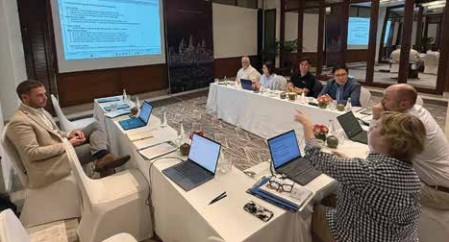
In early January, I had the chance — and I’ll admit, the humbling experience — to attend the 2026 U.S. Wheat Associates (USW) Unified Export Strategy (UES) meetings for the organization’s Asian offices in Siem Reap, Cambodia. I left home on Jan. 4 and got back on Jan. 17. That’s a long way and a long time away from home, but it didn’t take long to figure out why this meeting mattered.
First, a little background. The UES meetings aren’t a tourist trip overseas. This is where USW lays out how our wheat is going to compete in key export markets. The UES process helps plan, justify, and secure federal cost-share dollars from the U.S. Department of Agriculture for overseas market development. In plain terms, it’s how our assessment dollars are multiplied and put to work in markets that buy our wheat.
The Asian regions covered in these meetings are a big deal for U.S. wheat demand and especially for the Pacific Northwest. We talked about established markets like the Philippines, Taiwan, South Korea, and Japan, along with fast-growing markets across South and Southeast Asia, including Vietnam, Indonesia, Thailand, Bangladesh, Sri Lanka, Singapore, and Myanmar. Every one of those markets is different, but all of them matter when it comes to long-term demand for the wheat we grow in our backyards!
What stood out to me was how the UES process connects the dots between producers, overseas buyers, and trade policy. From a grower standpoint, it helps secure federal support that stretches every assessment dollar further. From the buyer’s side, it delivers solid data, technical support, and confidence in the quality and reliability of U.S. wheat. From a trade policy perspective, it helps keep U.S. wheat aligned with broader U.S. agricultural trade goals so we can match up wheat’s long-term goals with national priorities.
This was my first UES meeting, so I couldn’t compare it to previous years, but the value was immediately apparent. The meetings were organized, focused, and detailed. USW laid out clear priorities and expectations for each region, and there was plenty of honest discussion — not just about what’s working, but also about challenges that still need attention. One theme that came up more than once was the importance of sticking with the strategic plan while leaving room to be nimble as markets change.
What impressed me most, though, were the people. The UES process really showcased the dedication and talent of the USW staff. You can tell they put a lot of time and effort into planning and executing these programs. Things like professionalism, ethics, passion, dependability, and competence weren’t just talked about, they were obvious throughout the meetings.
I came away with a lot of respect for the men and women representing U.S. wheat overseas. They really are top-shelf people, the go-to folks, and often the first call when it comes to protecting and promoting U.S. wheat in global markets. Most of us don’t see that work from our seat on the combine, but it plays a big role in making sure buyers keep choosing U.S. wheat year after year.
Bottom line, the 2026 USW Asia UES meetings were a success. I came home with a better under-standing of how global market development actually works, confidence in plans laid out, and a lot more appreciation for the people carrying the load. Most of all, I came back humbled and thankful for the work USW does on behalf of U.S. wheat farmers, work that helps maintain strong markets and steady demand for the wheat we grow every year.